Right Plant. Right Place. Right Purpose.
Creating living landscapes that give back to people, wildlife and the environment.
What if every garden, property and landscape could contribute to a healthier, more biodiverse Australia?
At Flora 4 Fauna - Australia, we believe it can.
Bioscaping 4 Biodiversity is our practical, nature-centred approach to creating gardens and landscapes that do more than look beautiful. It reconnects people with native Australian plants, wildlife and the natural ecosystems we all depend upon.
Bioscaping is the practice of creating and managing landscapes that reconnect people, plants, wildlife and natural ecosystems through locally appropriate, purposeful planting and ecological design.
Developed by Flora 4 Fauna founder Kemp Killerby, Bioscaping draws on decades of experience with native Australian plants and hundreds of educational events across Southeast and Southern Queensland.
Our vision is simple: to make biodiversity a natural part of everyday living.

What is Bioscaping?
Beyond landscaping. Creating living landscapes with purpose.
Traditional landscaping often focuses on appearance, functionality and maintenance. Bioscaping goes further by considering what each plant does, which organisms depend upon it and how it contributes to the surrounding environment.

Consider the Australian native Lemon Myrtle (Backhousia citriodora).
Its fragrant leaves can be used in cooking and beverages, its flowers provide resources for pollinating insects, and its foliage can offer shelter for wildlife.
One plant. Multiple benefits.
Now imagine an entire garden designed around these relationships.
Native plants providing food for people, nectar for pollinators, habitat for wildlife, shade, erosion control and practical resources.
Each plant has a purpose, while the landscape functions as a connected living system.
That’s Bioscaping — working with nature rather than simply decorating with plants.
A Different Relationship with Nature
Everywhere is Somewhere.
Our homes, gardens, schools, farms and workplaces aren’t separate from nature. They’re part of larger, interconnected ecosystems.
Yet many modern landscapes have replaced diverse native vegetation with lawns, hard surfaces and ornamental plantings offering limited ecological benefits.
Bioscaping encourages us to reconsider these spaces.
A suburban garden can support native bees. A balcony can provide butterfly host plants. A schoolyard can become a living classroom. An acreage property can provide wildlife habitat and ecological connections.
While gardens cannot replace intact natural ecosystems, thoughtfully designed spaces can complement conservation and restoration efforts.
Every location has its own climate, soils, vegetation, wildlife and ecological history.
Understanding what naturally belongs there is the first step towards giving something back.
The Four Branches of Bioscaping
Bioscaping integrates four interconnected areas of Australian native plant knowledge and ecological design. Together, they create landscapes that support people, wildlife and the environment.
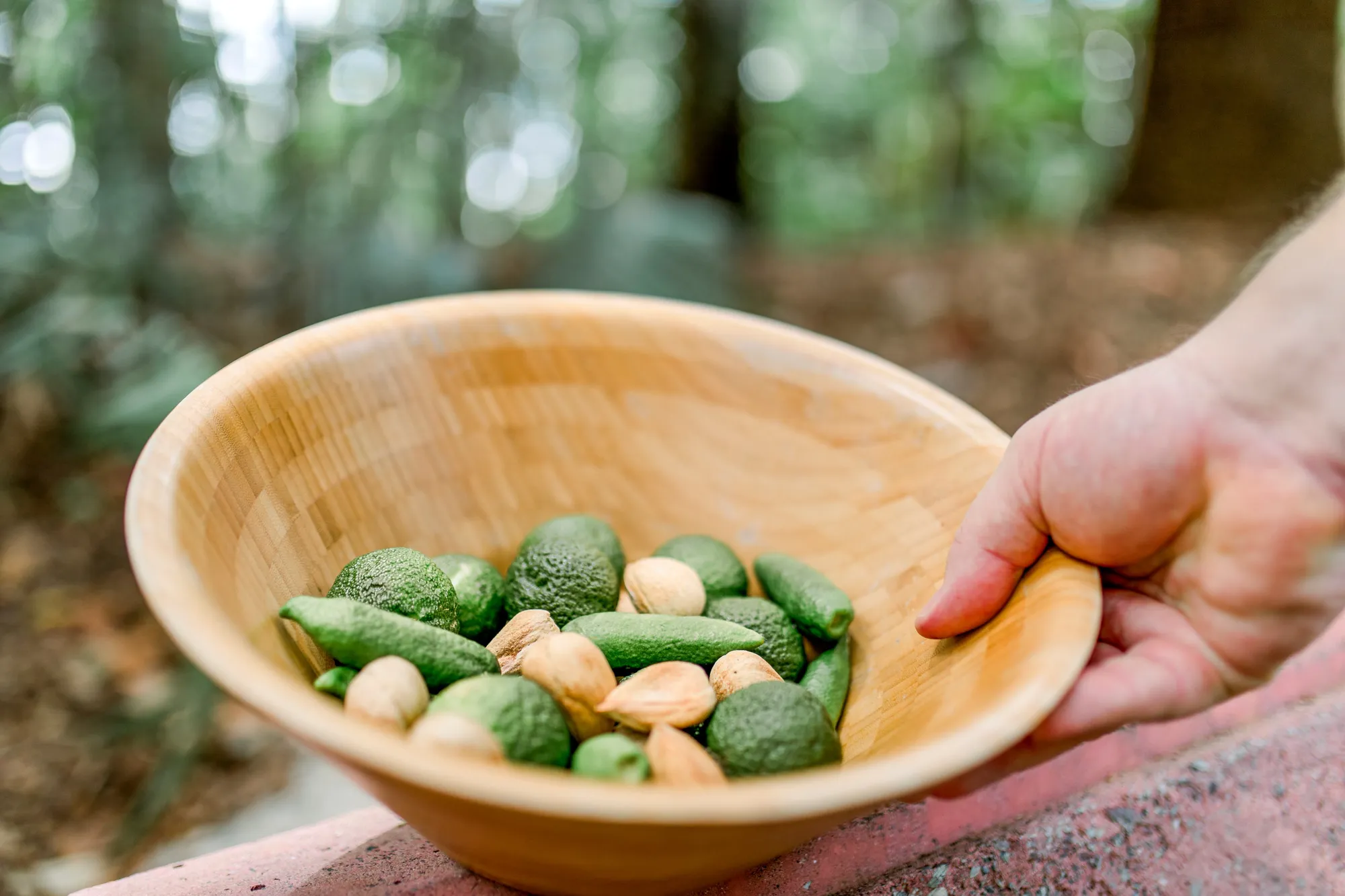
Bushfoods
Australia’s Natural Pantry
Australia has an extraordinary diversity of native edible plants.
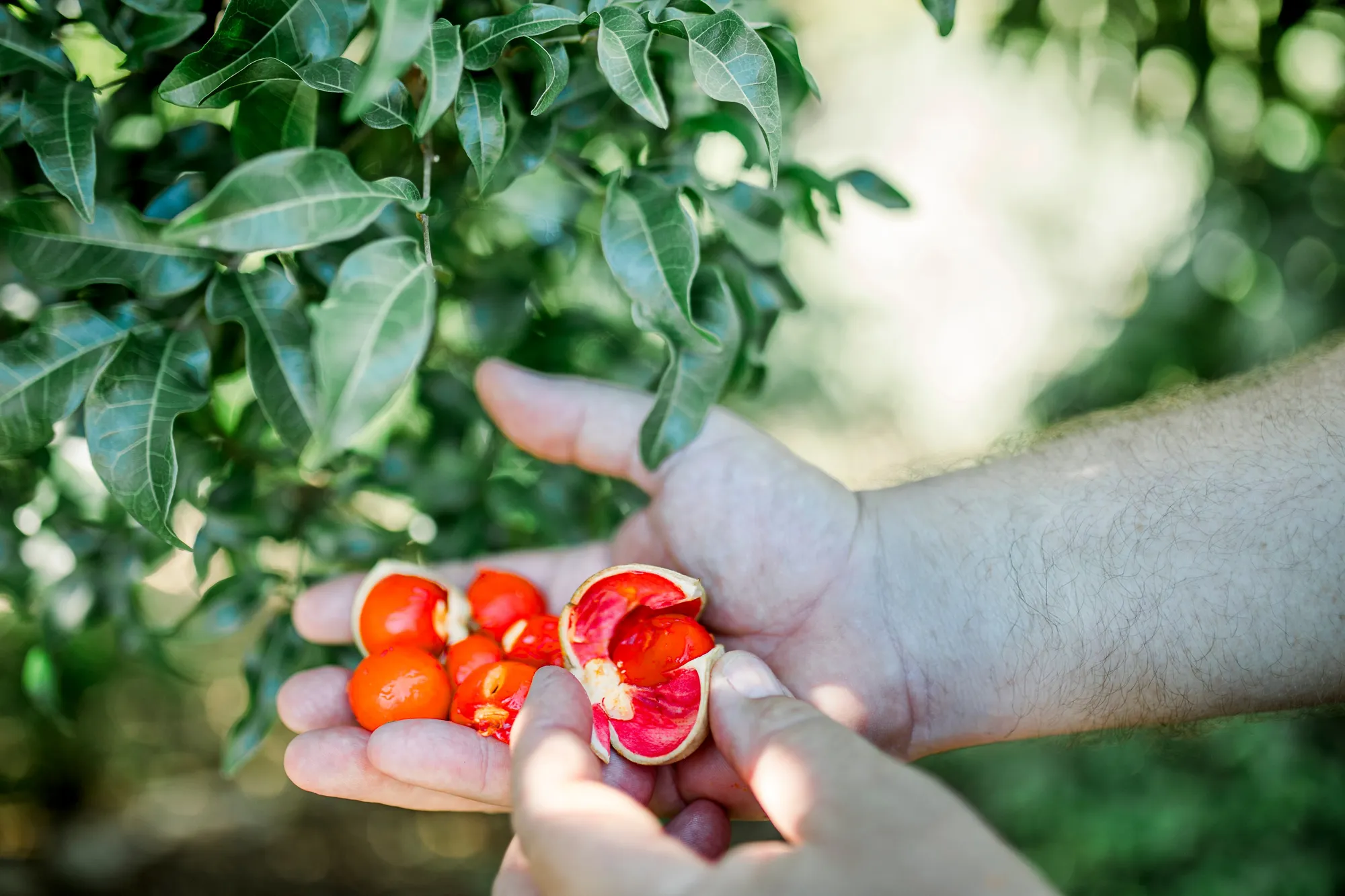
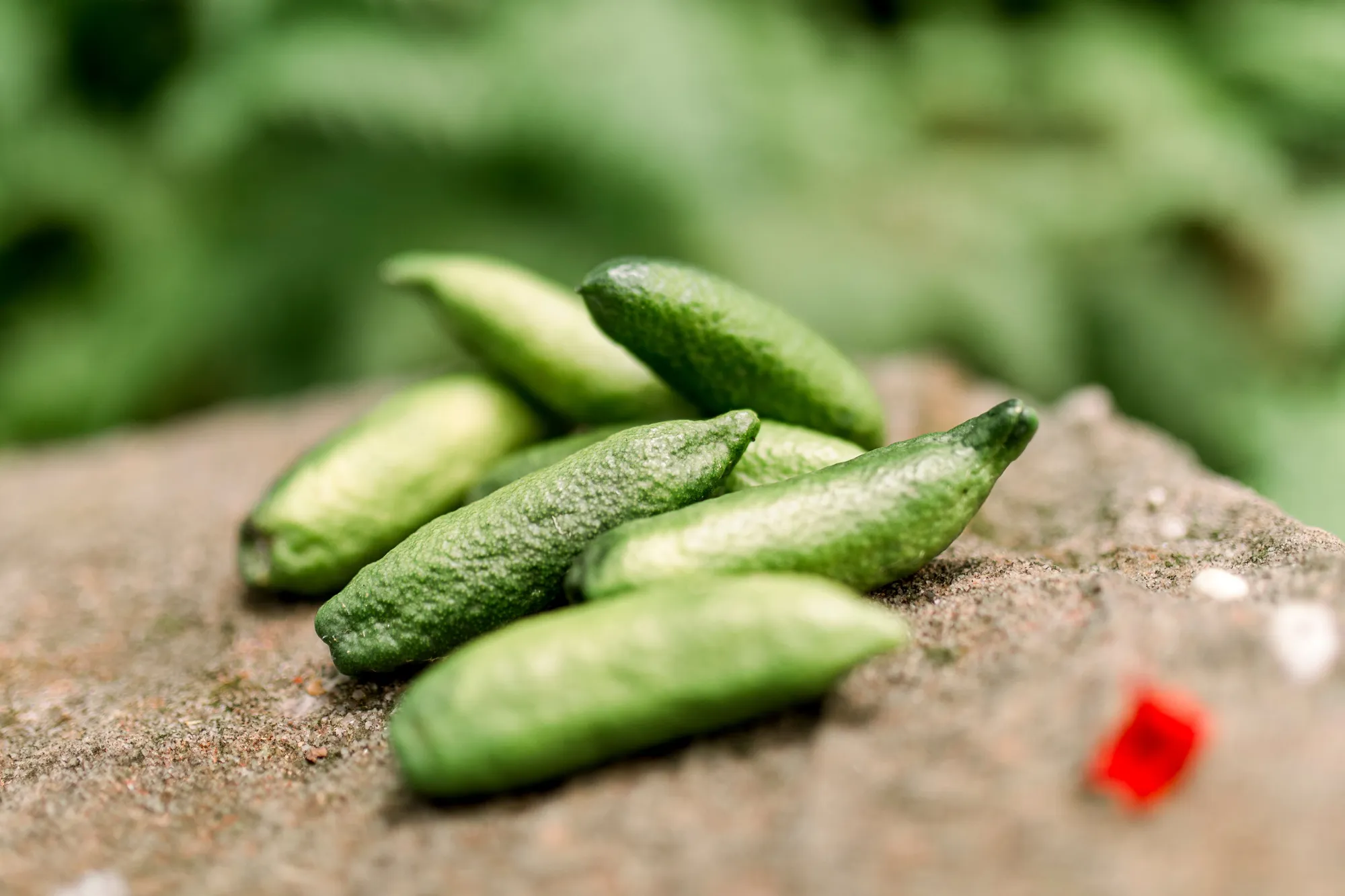
From Lemon Myrtle and Finger Limes to Native Ginger, Native Raspberries and Bunya Nuts, these plants offer distinctive flavours, useful resources and connections to Australia’s botanical and cultural heritage.
Many also provide nectar, pollen, fruit, seeds and shelter for wildlife.
Bioscaping encourages us to appreciate bushfoods not simply for what people can harvest, but for their wider ecological contributions.
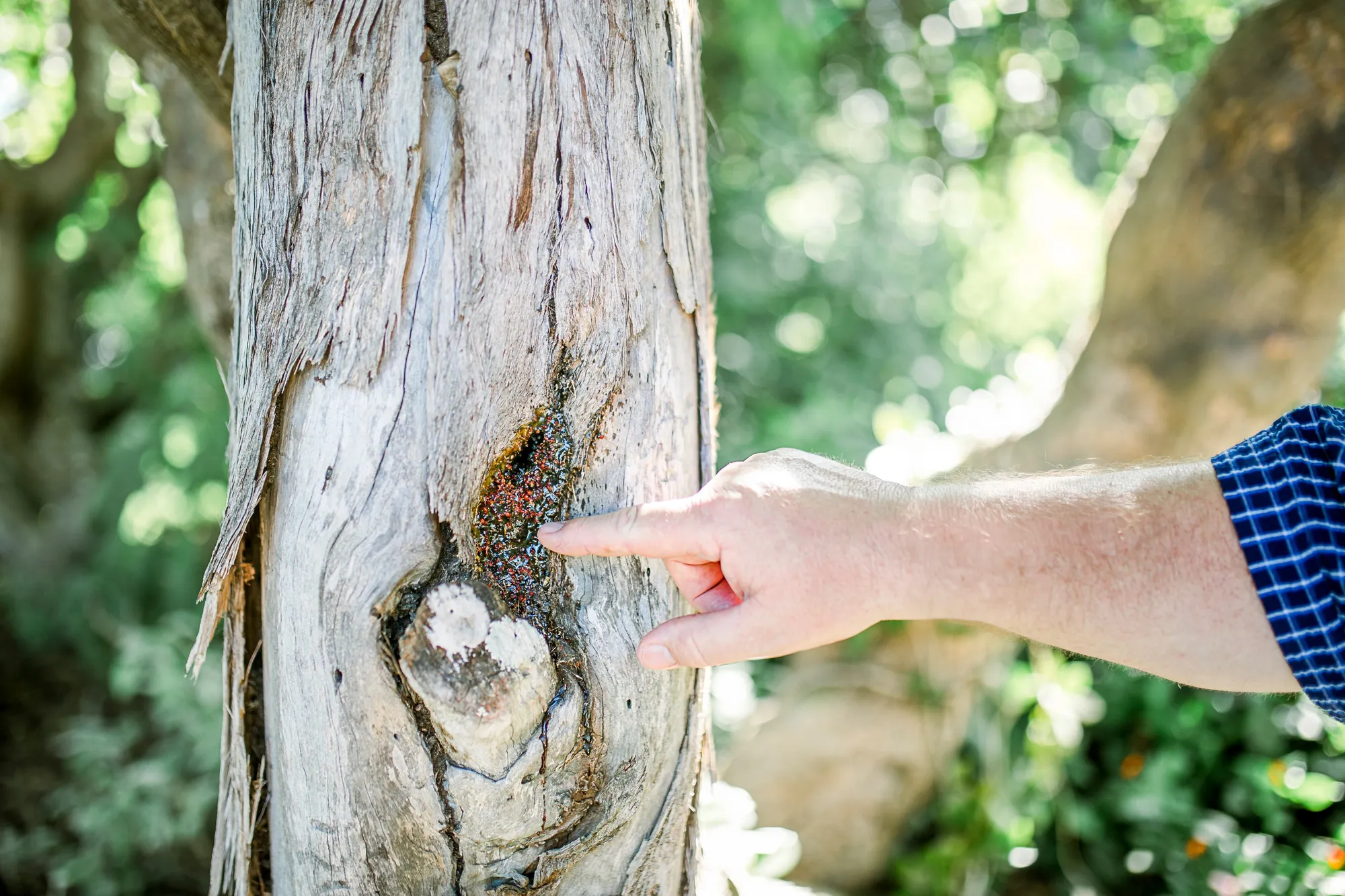
Bush Medicines
Traditional Knowledge and Plant Uses
For thousands of years, indigenous peoples have developed extensive knowledge of Australia’s native plants and their medicinal, cultural and practical uses.
Many of these plants also provide valuable resources for native wildlife.
Bioscaping explores documented traditional plant uses alongside botanical characteristics and ecological functions.
We acknowledge Traditional Custodians, respect the cultural origins and ownership of knowledge, and distinguish traditional uses from scientifically established medical applications.
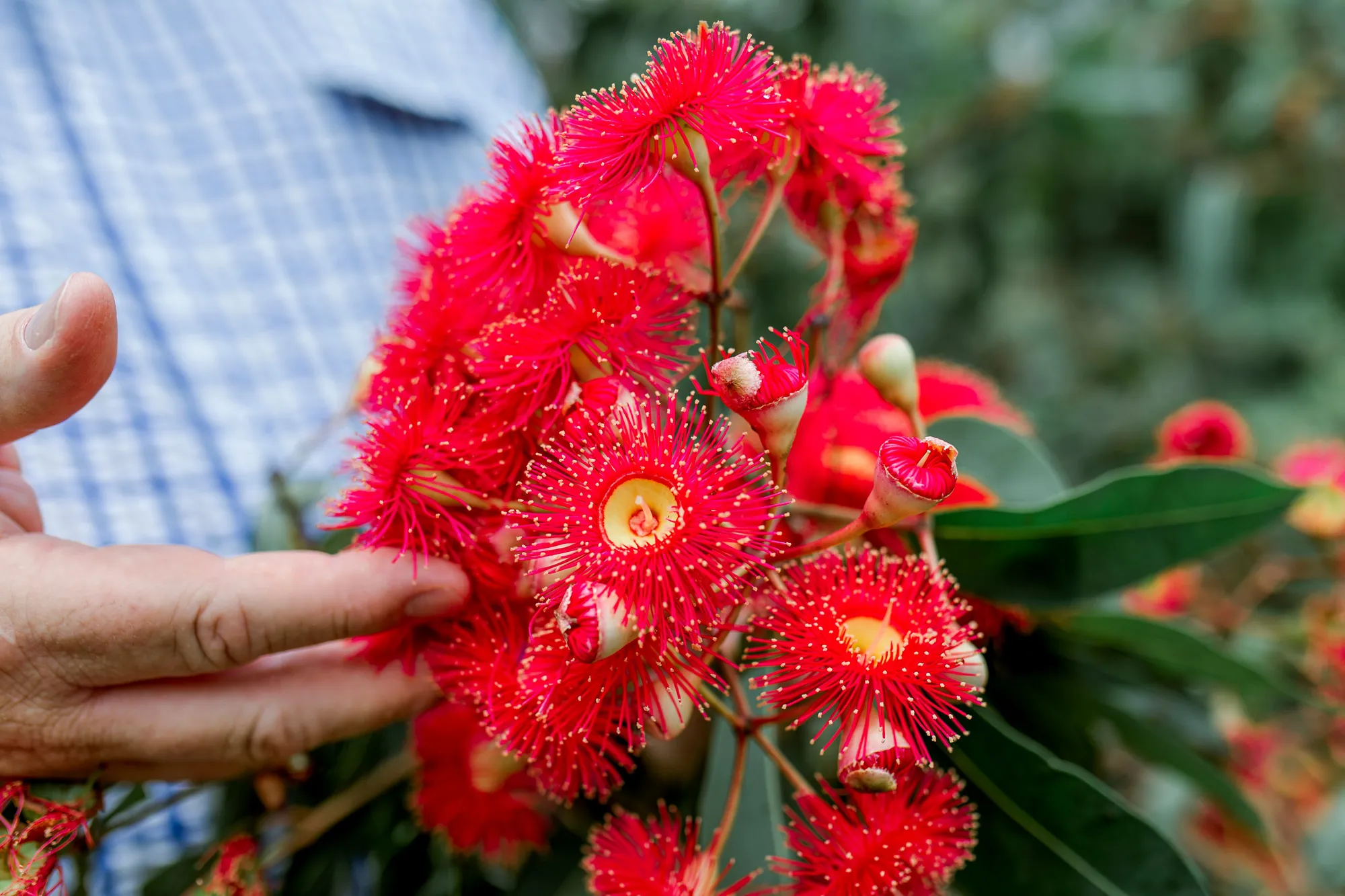
Fauna / Pollinator Attractors
Supporting Australia’s Wildlife
Native wildlife needs more than flowers.
Birds, mammals, reptiles, frogs, butterflies, native bees and other invertebrates depend on suitable food, water, shelter, breeding habitat and connections between natural areas.
Bioscaping considers these requirements through appropriate plant selection and habitat design.
This includes nectar-producing flowers, fruiting plants, native grasses, dense shrubs, wildlife food trees and butterfly host plants.
It also recognises the importance of leaf litter, fallen timber, rocks, tree hollows and layered vegetation.
Some animals have specialised plant relationships. Richmond Birdwing Butterfly caterpillars depend on one native host vine, while Glossy Black-Cockatoos rely heavily on the seeds of she-oaks.
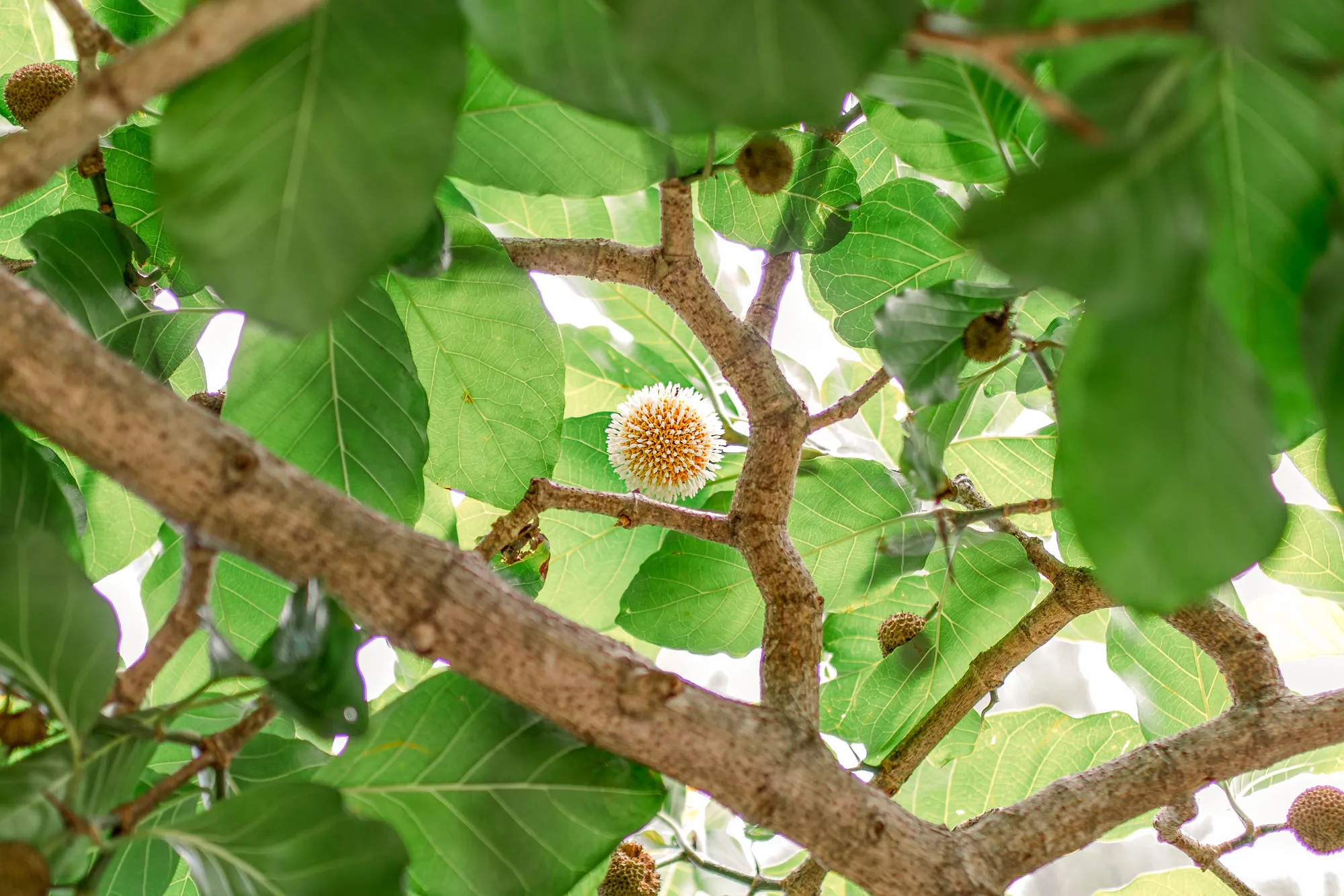
Utility Plants
Working with Nature
Australian native plants can perform valuable practical functions while supporting biodiversity.
Depending on the species and location, they can provide shade, natural cooling, windbreaks, privacy screening, erosion control, useful materials and improved landscape resilience.
For example, suitable Lomandra species can help stabilise soil while providing shelter for small animals and insects.
Native trees and shrubs can also moderate local conditions and create more comfortable outdoor environments.
The Six Principles of Bioscaping
Right Plant. Right Place. Right Purpose.
Bioscaping isn’t a rigid gardening formula. It’s a practical approach guided by six interconnected principles.
Understand Your Place
Learn about your local climate, rainfall, soils, geology, existing vegetation, wildlife and natural ecosystems before making planting decisions.
Prioritise Ecological Relationships
Consider how plants interact with wildlife, pollinators, soil organisms and the wider environment, rather than selecting them solely for appearance.
Favour Locally Appropriate Native Plants
Where practical, prioritise locally indigenous species and suitable wild-type plants that support local ecological relationships. Other Australian natives may be appropriate where conditions and objectives allow.
Design for Multiple Benefits
Select plants that provide food, habitat, shelter, useful resources, environmental protection and visual appeal.
Work With Natural Processes
Protect existing native vegetation, support healthy soils, conserve water, retain suitable habitat features and encourage natural regeneration.
Learn, Adapt and Share
Observe how your landscape develops, understand what works, adjust your approach and share your knowledge with others.
Successful Bioscaping begins with understanding your environment and making informed decisions that benefit life.
From Ornamental Gardens to Living Landscapes
Beauty is important.
Bioscaping doesn’t reject beautiful gardens or conventional landscape design. It expands their purpose.
Australia’s native flora offers spectacular flowers, fascinating foliage, fragrances, textures and forms.
Imagine a garden combining flowering grevilleas for nectar-feeding birds, native grasses for small wildlife, bushfoods for people, butterfly host plants and strategically positioned trees for shade.
The result can be visually appealing while providing ecological and practical benefits.
Biodiversity gives it purpose.
Importantly, biodiversity isn’t simply about growing lots of different plants.
It includes the diversity of living organisms, their genetic variation, the ecosystems they form and the relationships connecting them.
The goal isn’t simply more plants. It’s healthier, more functional living landscapes.
What Makes Bioscaping Different?
Bioscaping brings together native plants, wildlife habitats and thoughtful land management to create healthier, more resilient and biodiverse landscapes.
Its distinctive approach brings together
Rather than treating these as separate interests, Bioscaping integrates them into one accessible approach.
It’s about understanding not only what plants are, but what they do, where they belong and how they contribute to the wider environment.

Bioscaping 4 Biodiversity
- Right Plant. Right Place. Right Purpose.
- Everywhere is Somewhere.
- We Belong to Earth, Sea and Sky.
Bioscaping for Every Space
You don’t need a large property to make a difference.
Each location presents different opportunities.
A small garden may support pollinators and provide bird habitat, while a larger property might incorporate bushfoods, wildlife corridors, windbreaks and erosion-control plantings.
The objective isn’t to make every landscape look the same. It’s to understand what each place can contribute.
Bioscaping principles can be applied to:
How Flora 4 Fauna Can Help
Whether you’re beginning your biodiversity journey or planning a larger project, Flora 4 Fauna offers practical ways to turn knowledge into action.
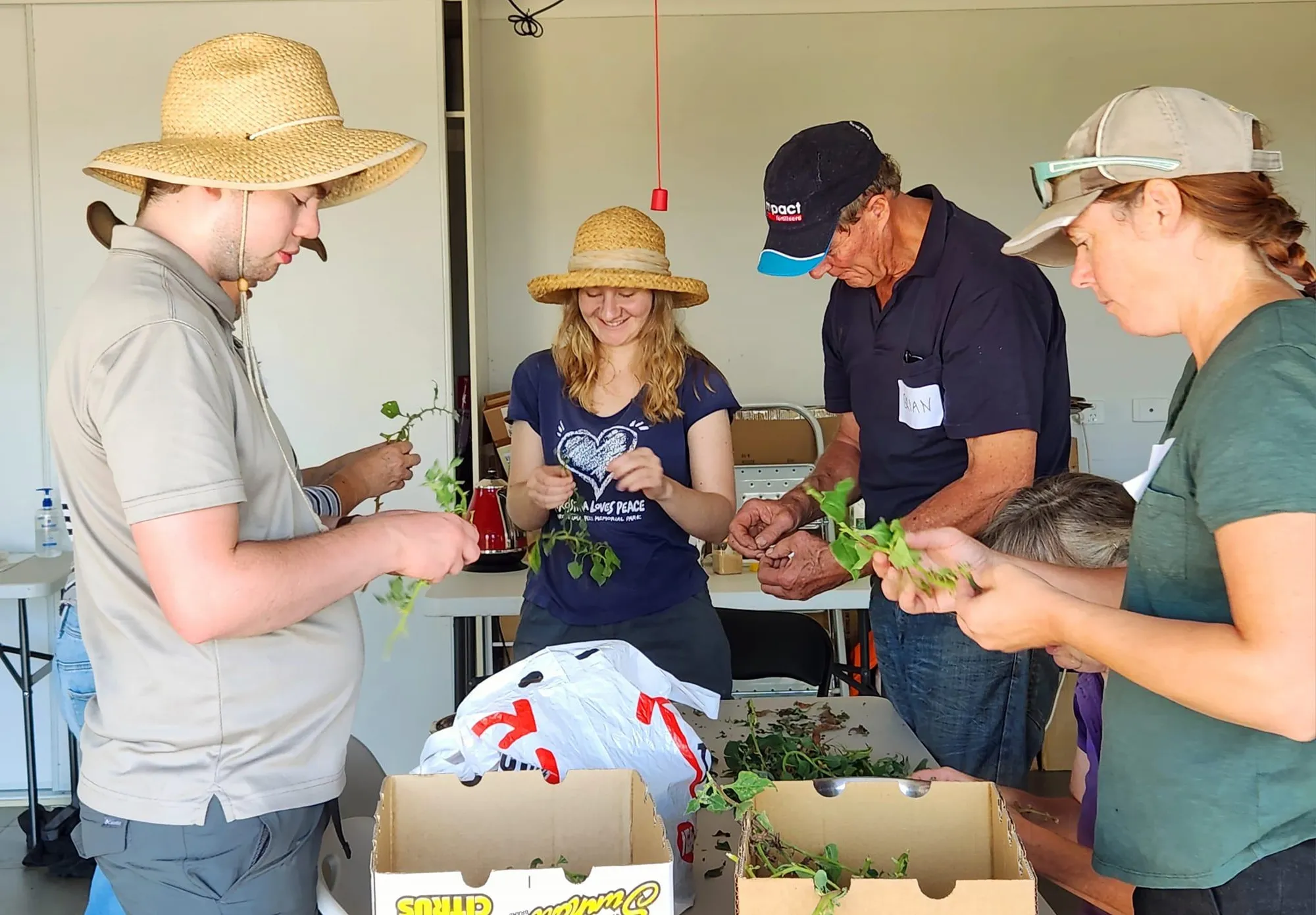
Discover and Understand
Explore Australian bushfoods, bush medicines, wildlife habitat, pollinators and ecological relationships through educational presentations, workshops and personalised learning opportunities.
Suitable for individuals, schools, community groups, garden clubs and professional organisations.
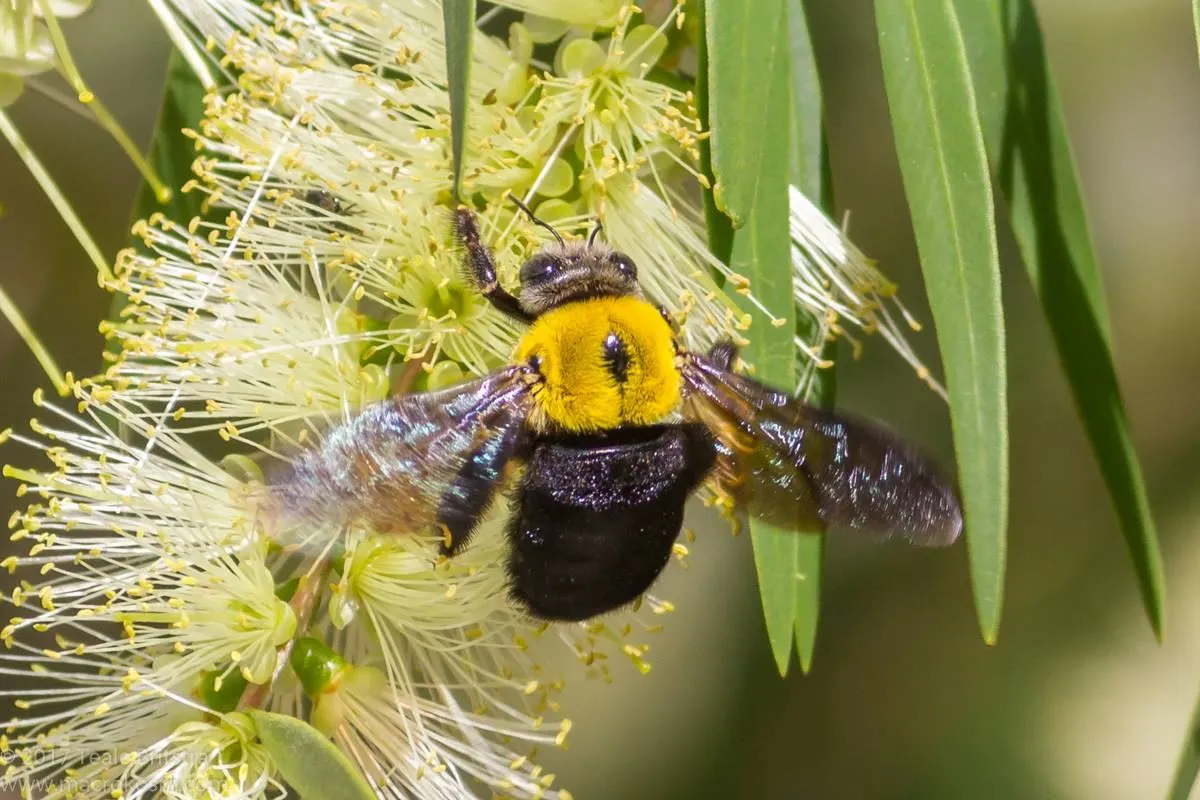
Put Knowledge into Practice
Our personalised Bushfood & Biodiversity Consultations help you understand your property and identify suitable plants and opportunities to support biodiversity.
Services may include property assessments, native plant recommendations, wildlife habitat planning, tailored reports, plant care information and optional native plant supply and implementation support.
Every consultation considers your location, environmental conditions, goals and available resources.
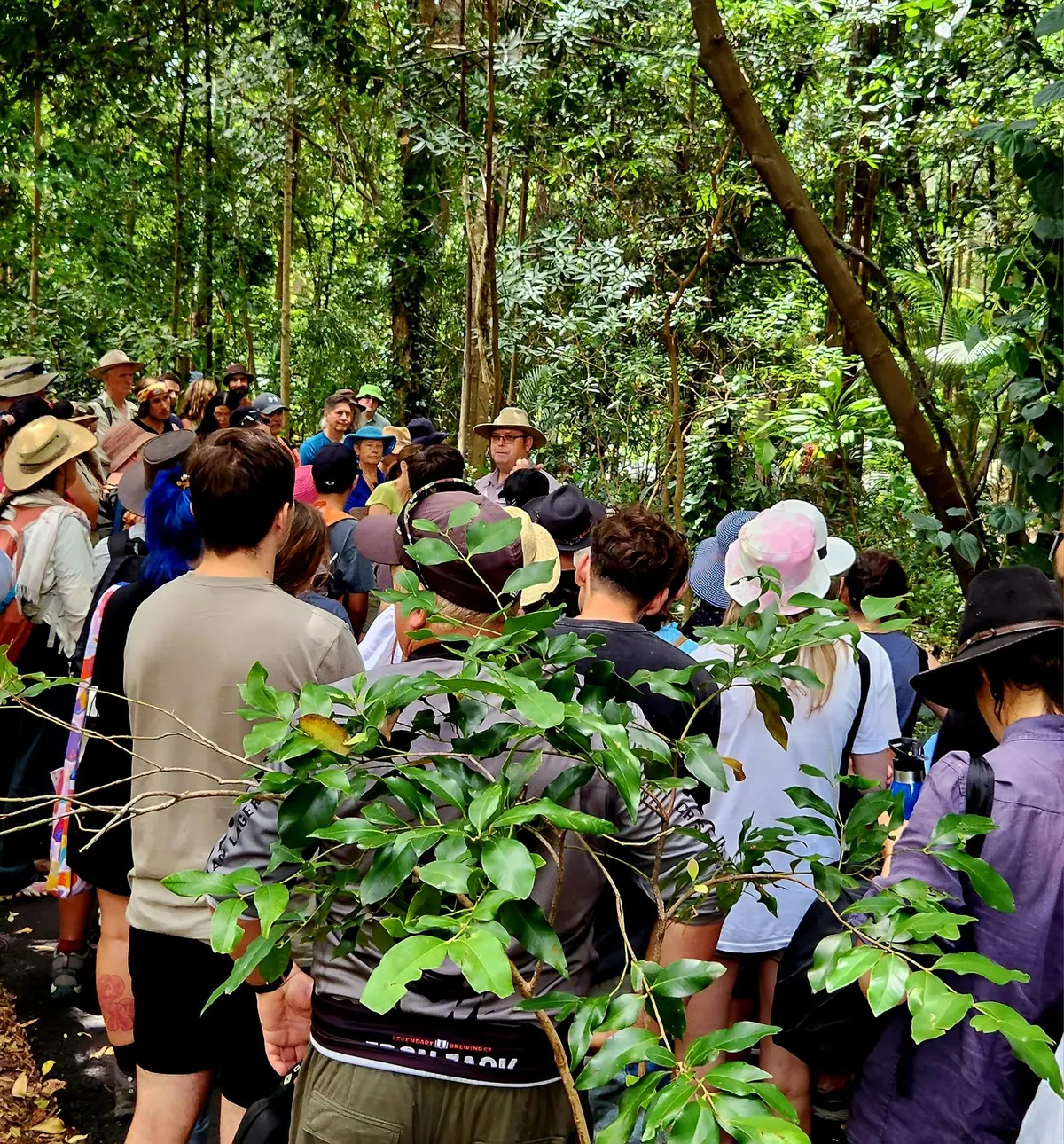
Explore Nature Firsthand
Discover Australia’s remarkable native plants, wildlife and ecosystems through our educational Walks & Talks, Bushfood Tastings and Eco Tours.
Explore natural environments across Southern and Southeast Queensland while learning about ecological relationships, traditional plant uses and practical Bioscaping principles.
More Than Gardening — A Philosophy for Everyday Living
From understanding to action.
At Flora 4 Fauna, we believe meaningful environmental change begins with knowledge. Bioscaping encourages that journey through six simple actions:
Learn
About Australia’s native plants, wildlife and ecosystems.
Grow
Suitable native plants that contribute to healthy landscapes.
Use
Plant resources responsibly and appreciate their practical, cultural and ecological value.
Share
Knowledge, plants and experiences with others.
Teach
Future generations about biodiversity and our relationship with nature.
Protect
The natural systems that sustain us all.
Our long-term vision is for Bioscaping 4 Biodiversity to become a widely recognised and practised approach to gardening, landscaping and environmental stewardship.
Not simply another gardening trend, but a lasting change in how we understand and care for the places we share.
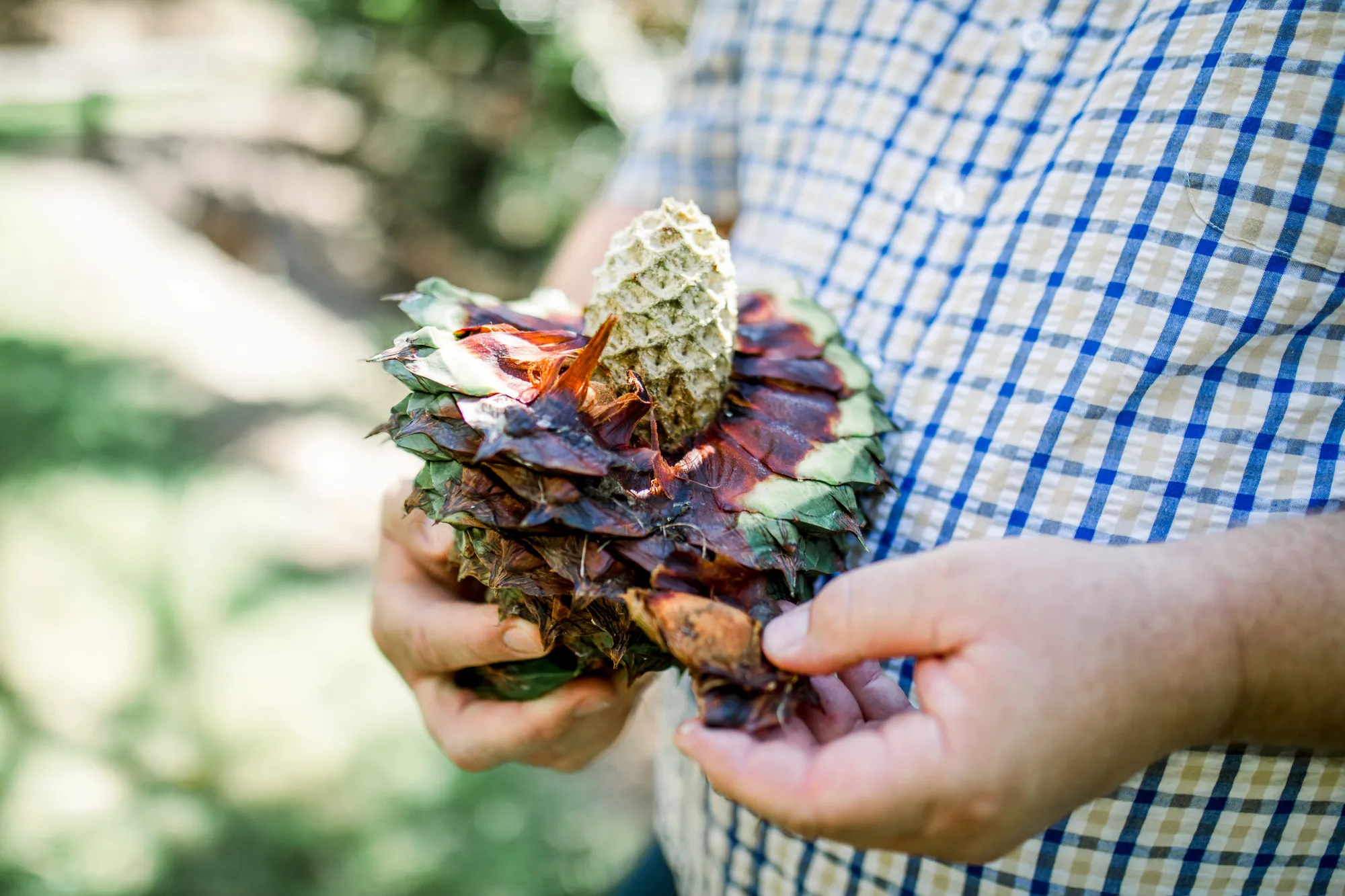
You don’t need to transform your entire property overnight.
Start by learning what naturally grows in your area, which plants support local wildlife and how your garden or property can contribute to the wider environment.
At Flora 4 Fauna — Australia, we’re here to help you understand your environment and discover what’s possible.
Bioscaping isn’t about bringing nature into our lives. It’s about recognising that our lives are already part of nature — and making better decisions about how we share that space.
Ready to Start Bioscaping?
One plant. One garden. One informed decision at a time.
Let’s create living landscapes that give back.